
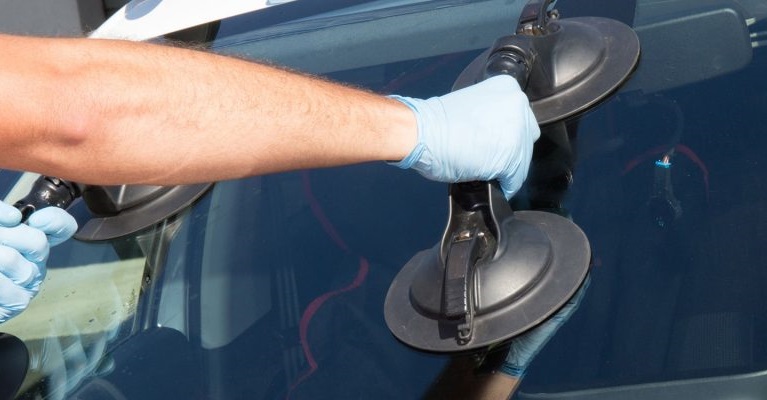
Your vehicle’s glass does far more than keep the wind and rain out. From the windscreen to the rear screen and side windows, automotive glass supports your car’s structural integrity, visibility, comfort, and safety systems. Even a small chip can quickly spread into a crack, obstructing the driver’s view and undermining safety. This is where professional automotive glass repair comes in—fast, cost-effective, and essential for safer journeys.
In this guide, we’ll explain when a windscreen repair is possible, when a windscreen replacement is the smarter option, what to expect from the repair process, and how professional technicians handle modern features like ADAS calibration. Whether you drive to work daily or occasionally cruise on weekends, acting quickly on glass damage saves time, money, and hassle.
Why Windscreen Health Matters
- Safety & structure: The windscreen contributes to your car’s overall rigidity and plays a critical role in airbag deployment and crash protection.
- Clear visibility: Chips, star breaks, and cracks scatter light and can cause glare—especially at night or in wet weather.
- Preventing spread: Temperature changes, potholes, and even door slams can turn a small chip into a long crack.
- Avoiding costly replacements: Early stone chip repair is usually quicker and cheaper than a full windscreen replacement.
Repair or Replace? How to Decide
A professional technician will assess three main factors:
- Size of the damage
Tiny chips and short cracks can often be repaired. Larger or multiple breaks usually call for replacement. - Location on the windscreen
- Driver’s line of sight: Even a small repair may remain slightly visible; if it intrudes on the critical viewing zone, replacement is often recommended.
- Edge damage: Chips near the edges can compromise structural integrity and may require replacement.
- Type of break
Bullseyes, half-moons, and small star breaks are commonly repairable. Long cracks, contaminated damage (left untreated for long), or complex impact points typically need replacement.
Rule of thumb: The sooner you seek windscreen repair, the more likely it can be successfully fixed.
What Happens During a Professional Windscreen Repair?
A modern stone chip repair is precise and efficient:
- Inspection & prep – The technician cleans the area and removes loose glass fragments.
- Resin injection – A clear, UV-curing resin is injected under vacuum to fill micro-fractures.
- Curing & polish – UV light hardens the resin, restoring strength and smoothing the surface.
- Final check – The repair is inspected for clarity and structural integrity.
Repairs typically take under an hour, restore strength, and greatly improve appearance. While a faint “ghost” mark may remain, it’s usually off to the side and outside the driver’s critical view.
When a Windscreen Replacement is the Best Choice
Replacement is the safer option when:
- Cracks are long or spreading.
- The chip sits directly in the driver’s main viewing zone.
- There’s significant edge damage.
- The glass is laminated with complex delamination or contamination.
Quality matters: Trusted workshops use OE-equivalent glass, manufacturer-approved adhesives, and follow safe-drive-away times so the bond can set properly. This ensures the windscreen performs as intended in everyday driving and in a collision.
ADAS Calibration: Don’t Skip This Step
Many modern vehicles have Advanced Driver Assistance Systems (ADAS)—think lane-keeping, traffic sign recognition, and emergency braking—relying on cameras mounted behind the windscreen. After a windscreen replacement, the camera’s alignment can shift by millimetres, which is enough to disrupt system accuracy.
- Static or dynamic calibration may be required (sometimes both).
- Professional ADAS calibration uses specialist targets or on-road procedures per manufacturer specifications.
- Skipping calibration can cause warning lights, reduced assistance performance, or false readings.
When booking automotive glass repair, confirm the provider is equipped to calibrate ADAS for your make and model.
Side Windows and Rear Screens
It’s not all about the windscreen. Your car window replacement may involve:
- Tempered side windows: These shatter into small pieces on impact. Damage typically means replacement rather than repair.
- Heated rear screens: Cracks or heater element faults call for expert diagnosis. Replacement restores visibility and defrost function.
A reputable technician will protect door cards and trim, re-seal weather membranes, and test window operation before handover.
Mobile Windscreen Services: Convenience at Your Door
Busy schedule? Many providers offer mobile windscreen services at your home or workplace:
- On-site chip repair – Fast fixes while you carry on with your day.
- On-site replacement – Technicians bring the glass and tools to you; just ensure a safe, dry space.
- Weather & safety – Adhesives need the right conditions; if not feasible outdoors, the workshop is the better choice.
Insurance, Excess & Paperwork
For many UK motorists, comprehensive policies include windscreen cover:
- Repairs often reduce or waive the excess compared with replacement.
- Approved networks can bill insurers directly and handle paperwork for a smoother experience.
- Always check your policy’s specifics—excess amounts, approved suppliers, and any impact on no-claims.
Care Tips to Extend Windscreen Life
- Fix chips promptly – Heat, cold, and vibrations make damage spread.
- Use quality wiper blades – Replace them regularly to avoid scratches.
- Avoid harsh chemicals – Use glass-safe cleaners and microfibre cloths.
- Mind temperature shocks – Don’t blast a frozen windscreen with hot water.
- Keep a safe following distance – Reduces the chance of stone strikes on fast roads.
Choosing the Right Automotive Glass Repair Specialist
Here’s what to look for:
- Accredited technicians – Evidence of training and up-to-date repair methods.
- OE-equivalent glass & approved adhesives – For safety and fitment.
- ADAS capability – Proper equipment and experience with your vehicle’s systems.
- Transparent pricing – Clear quotes, no hidden extras.
- Warranty – Confidence in workmanship and materials.
- Strong reviews – Local reputation and customer service matter.
Step-by-Step: Booking Your Repair
- Share details – Provide your reg, make/model, and the damage location.
- Send a photo – Helps the technician judge repair vs replacement.
- Confirm availability – Choose workshop or mobile windscreen service.
- Insurance check – Decide whether to claim or self-pay.
- Calibration planning – If your car has ADAS, ensure it’s on the work order.
- Aftercare – Follow any safe-drive-away guidance and avoid car washes for the advised period.
Final Thoughts
From a tiny stone chip to a full windscreen replacement, acting quickly is the smartest way to protect safety, keep visibility crystal clear, and control costs. Professional automotive glass repair restores strength, supports ADAS performance, and gets you back on the road with minimal interruption. Choose an experienced, well-equipped provider and you’ll enjoy a smooth, reliable fix—often in a single visit.